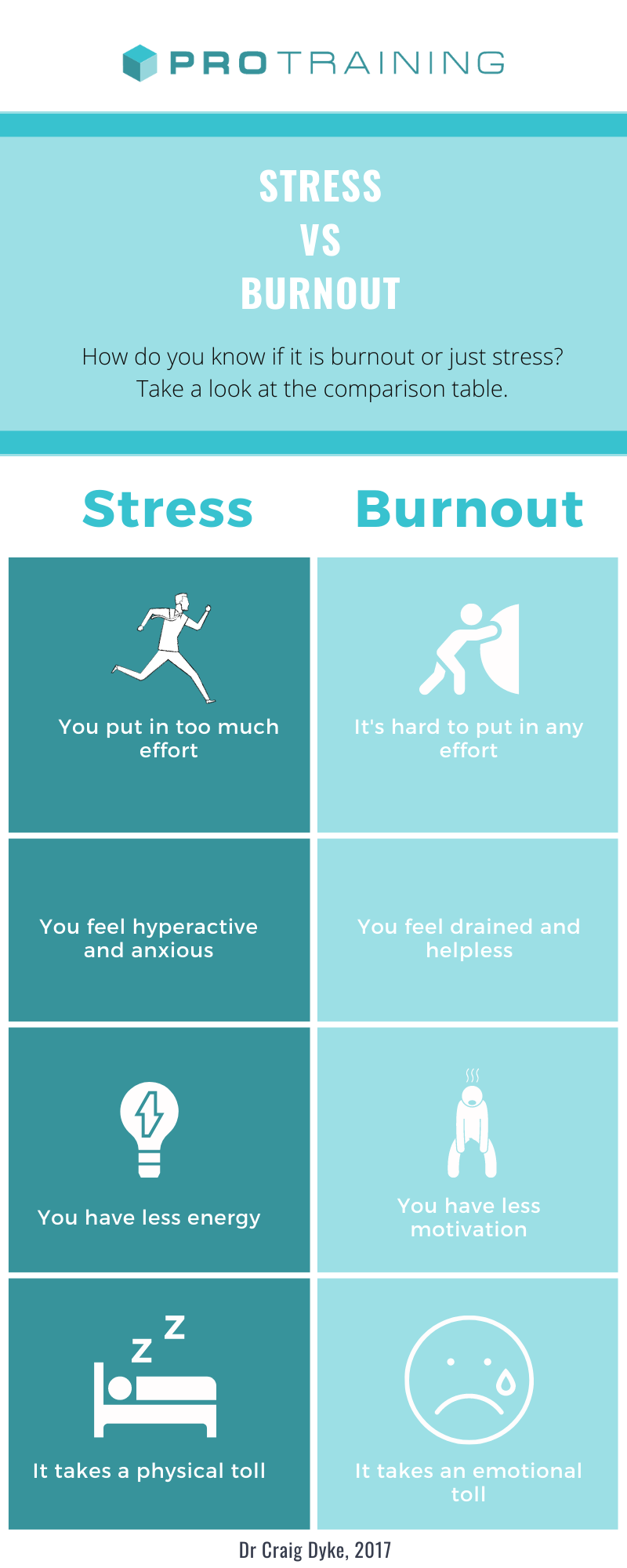
How to fix job burnout
The first step in dealing with burnout is knowing; it can be fixed! With the correct stress management and dedication, you can break free of burnout. One of the best ways to change is to change the environment around you. This would be the workplace in the case of job burnout.
Burnout rarely comes out of nowhere — there’s almost always a manager or peer who could have caught it three months earlier if they’d known what to look for. That noticing capability is one of the core skills built in our emotional intelligence corporate training in Dubai, and it tends to be the most cited ‘I use this every day’ outcome from participants months after the programme.
First steps should be talking to managers, supervisors or HR. While there may be a level of stigma attached, it is important to overcome this to seek support. Mental Health is not something to take lightly, and opening up your organisation is the start. Taking leave can also be helpful, but it’s important to note that a week’s holiday will never be enough on its own.
Ask yourself whether or not there is scope to change in your current work environment. Is the pressure inherent to the role? Is it the company culture? If yes, then perhaps a new role or company would improve the situation. Taking the time to stop, reflect and make an important decision is crucial here.
If not then perhaps the situation can be turned around with good stress management and self love. Coping methods for this are to eat healthy, exercise and get enough proper sleep. Prioritise yourself and know when to take a break and relax, so you can keep your head in the game. See if there are options to change your work schedule, or do some work remotely. This can often help you feel at ease and improve productivity.
There are 5 great ways to avoid burnout.
Switch off, properly. Set limits around your technology use. Often working overtime is unavoidable, but understand your own boundaries. Communicate in your set hours and do not feel pressured to email, message or call back if in your set hours.
Embrace structure. A key symptom of job burnout is the sensation that work is piling up, and this can be combined with mild memory loss. Consistent little steps taken each day can stop the pile up, and organisational software is available to make it easier.
Make time to relax. Creating time to unwind properly can help you better cope with periods of stress. Whether you prefer reading, walking, knitting, or practising mindfulness, find the thing which helps you de-stress and carve out time for it religiously.
Tune in to how you feel. Job burnout progresses slowly, but there are often signs along the way and learning to recognise these can help you stop it in its tracks. Keep an eye out for symptoms such as frequent headaches, stomach upsets and trouble focusing.
Get enough sleep. Often the hardest to accomplish (since burnout brings insomnia with it) prioritising a good night’s rest is nevertheless crucial. If necessary, talk to your manager about changing your hours to fit around your sleep schedule until you feel better.